

Mount Park Sensor
Mount Park Sensor replaces finicky reflective sensors with wireless accelerometer detection. Mounts in your finder shoe, syncs with DragonLAIR automatically.
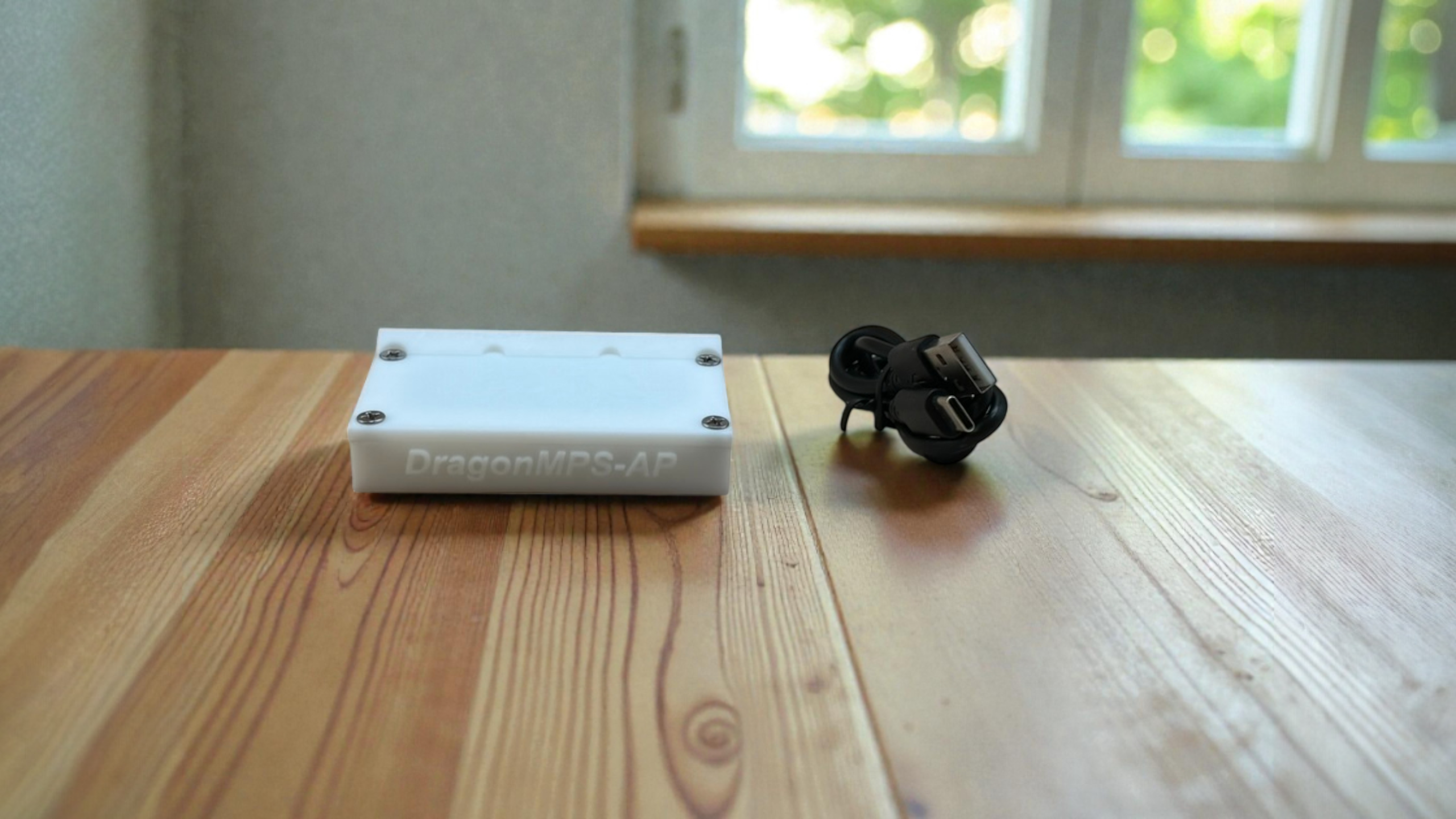
Know Your Telescope Is Safe Before the Roof Moves
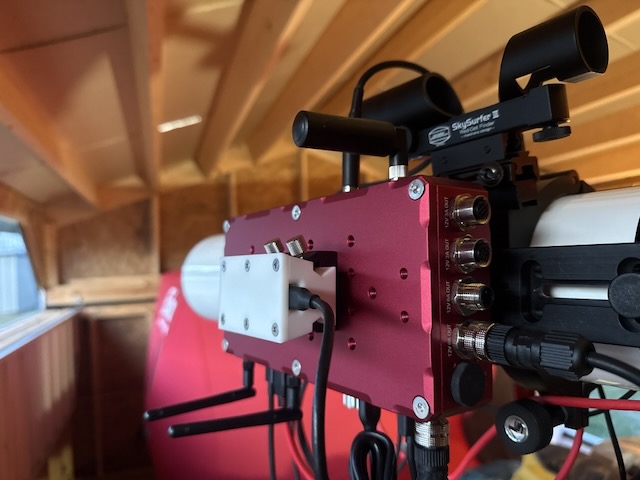
The Mount Park Sensor is a wireless safety device that prevents your roll-off roof from moving unless your telescope is in a safe park position. Using an onboard accelerometer instead of finicky reflective sensors, it mounts directly to your telescope in a standard finder shoe-no cables to run, no beams to align, no hoping your sensor didn't drift out of position overnight.
Why This Sensor?
Reflective sensors work. We include two of them with every DragonLAIR. But let's be honest about what "work" means: you mount the sensor, mount the reflector, spend 20 minutes getting the alignment just right, and then pray nothing shifts. Bump the tripod leg. Adjust your guide scope. Rebalance after swapping cameras. Suddenly your "aligned" sensor is looking at empty air, and your safety interlock is useless.
The Mount Park Sensor takes a completely different approach. Instead of detecting a reflector beam, it uses an accelerometer to measure the telescope's actual orientation. Point your scope at your park position, tell the sensor "this is safe," and you're done. The sensor knows where the telescope is pointing-not where a reflector happens to be mounted. Move the telescope, and the sensor knows it moved. Park it again, and it recognizes the position within your configured tolerance (±1° by default, adjustable in the web interface).
We've deployed dozens of these sensors across observatory installations, and they're doing exactly what they're designed to do: preventing expensive equipment from getting clipped by a moving roof. Your telescope, camera, and mount represent a serious investment-often $10,000 or more. The Mount Park Sensor is cheap insurance against a very expensive mistake.
Key Benefits
Wireless Installation-No Cables to the Mount
This is the primary advantage over reflective sensors. The Mount Park Sensor connects to your WiFi network and syncs directly with your DragonLAIR controller-no cables running from your mount to your roof controller. That means no wires to snag during slewing, no connections to weatherproof, and no cable routing headaches in a tight observatory space.
Accelerometer-Based-No Alignment Required
Forget about beam alignment. The BMA400 accelerometer inside the sensor measures the telescope's orientation directly. Park your scope, click "set safe position" in the web interface, and the sensor remembers that exact orientation. Return the telescope to that position, and it's recognized as safe. The default tolerance is ±1°, but you can adjust this in the web interface if your mount parks with less precision.
Fits Standard Finder Shoes
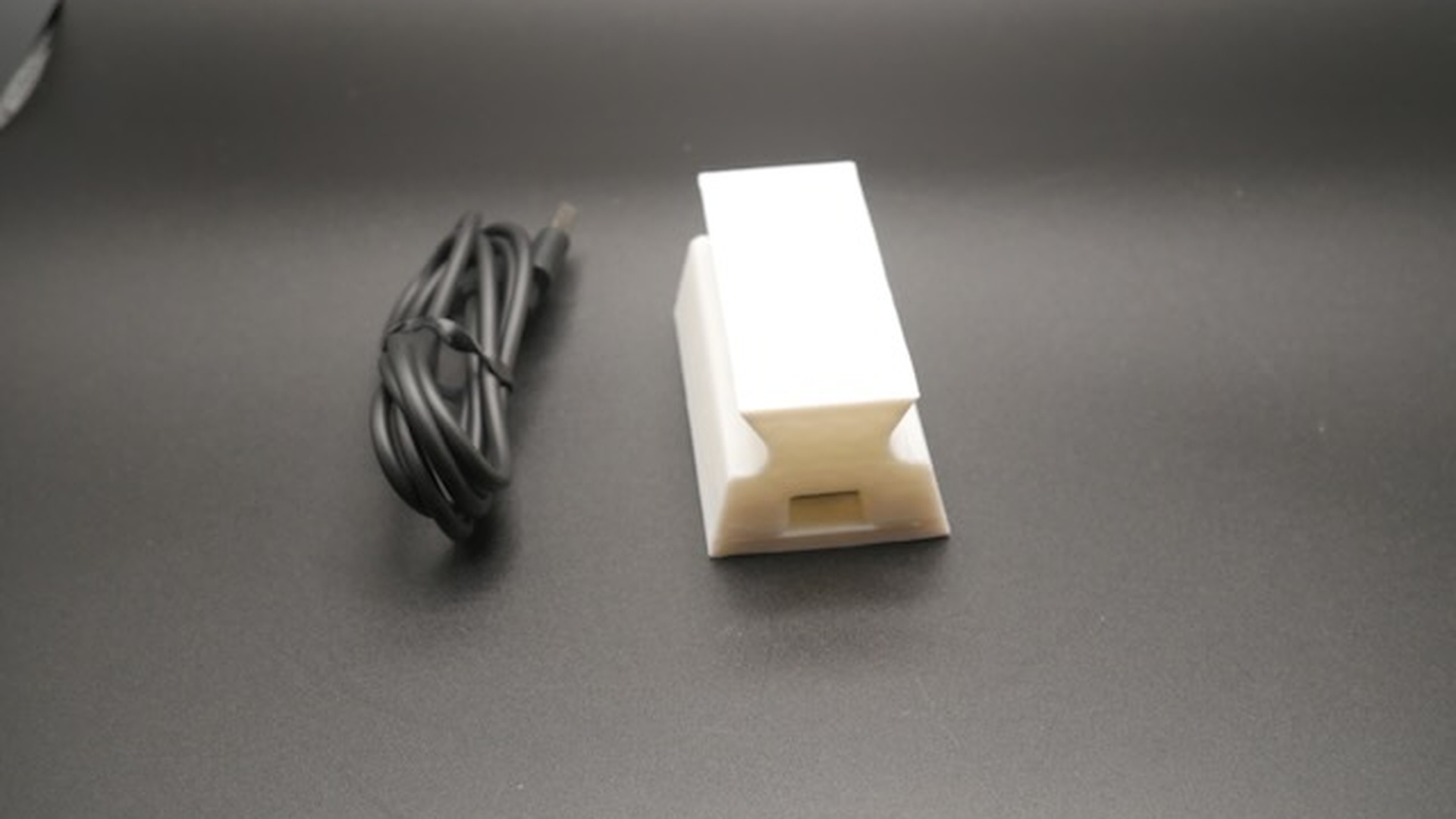
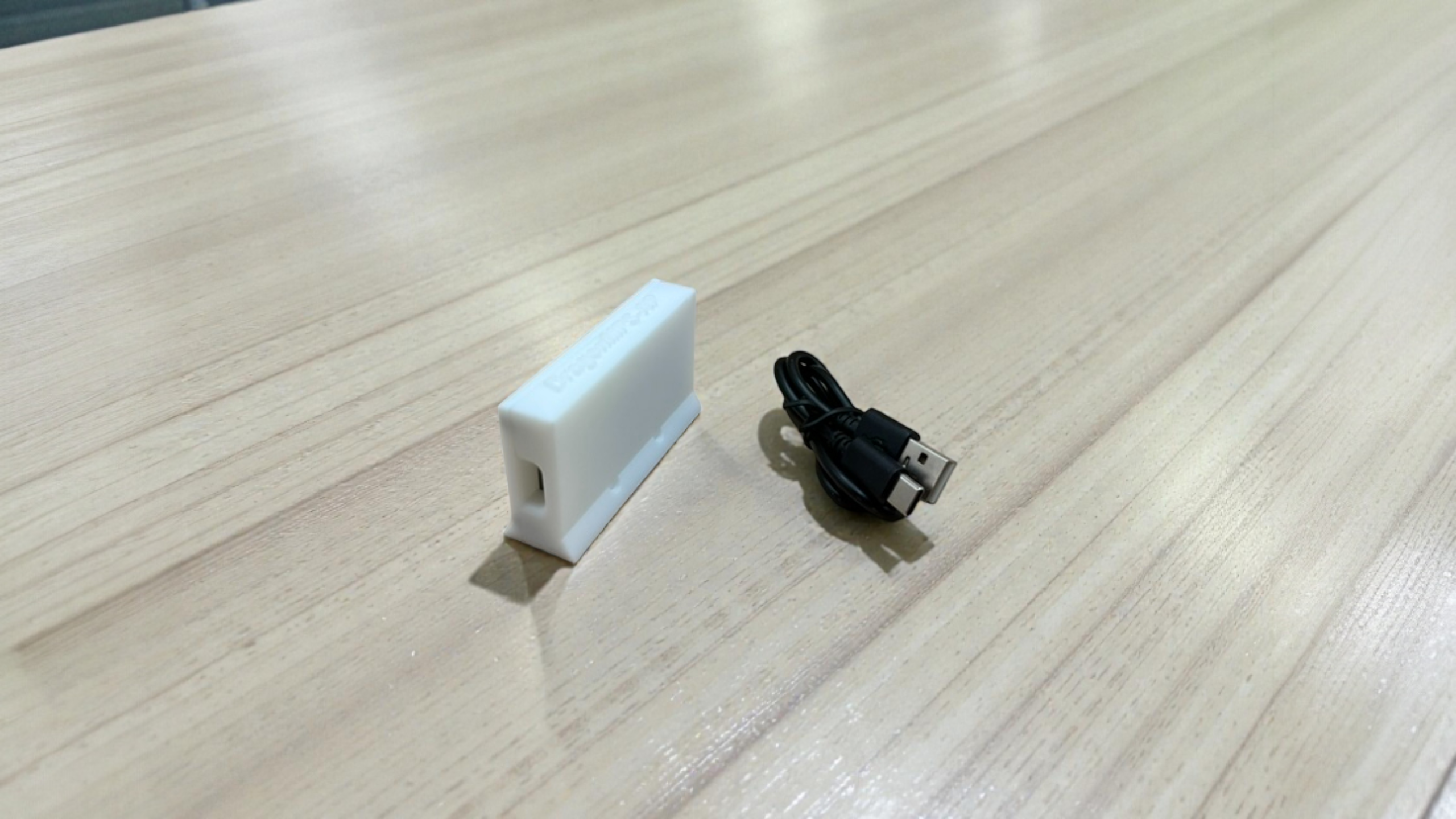
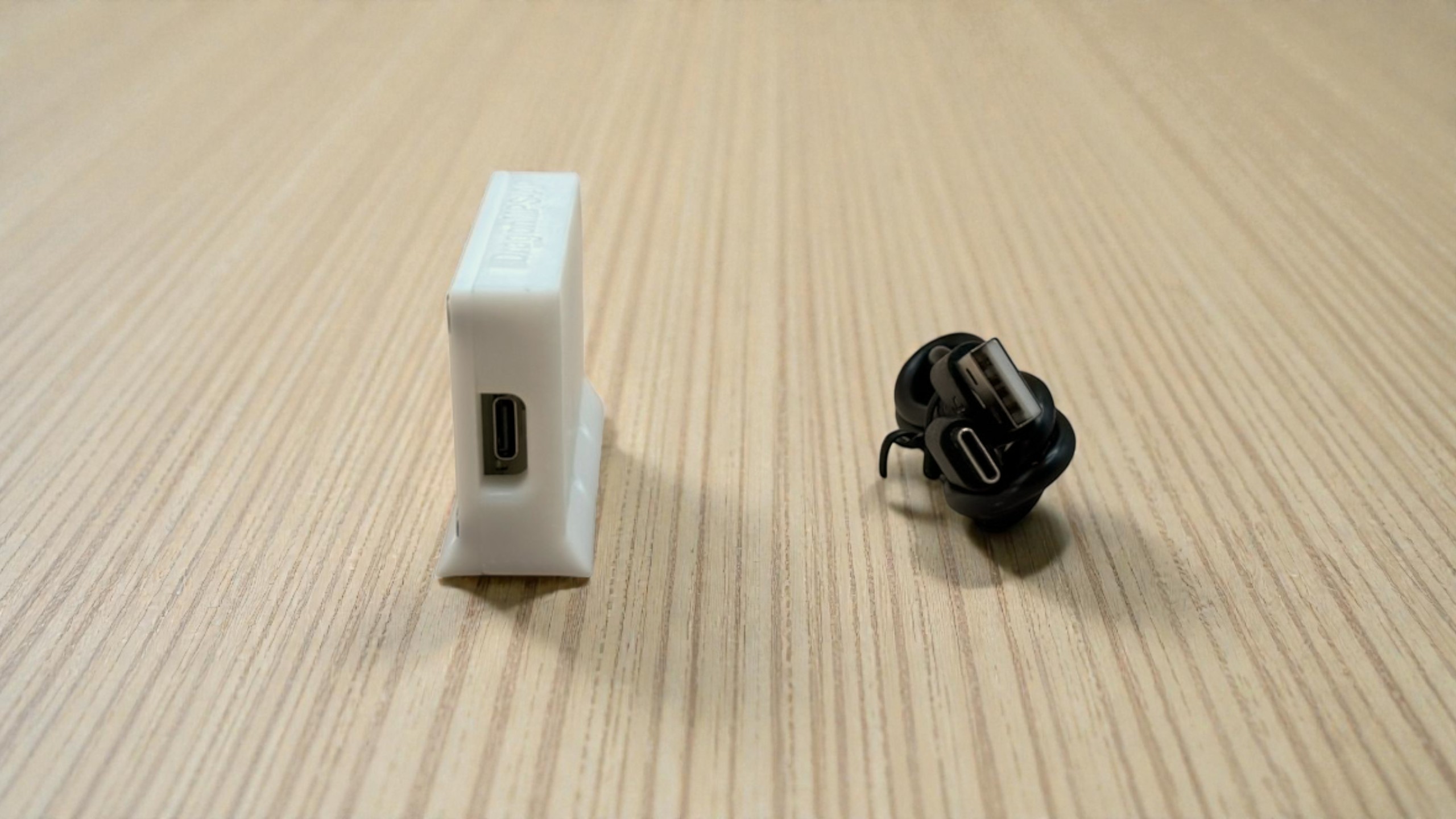
The enclosure is shaped like a Vixen dovetail on one side and a Synta finder dovetail on the other. If your mount has a finder shoe-and most do-you can slide the sensor right in. No brackets to fabricate, no adapters to buy, no drilling holes in anything.
Instant Status Updates
The sensor reports safe/unsafe changes immediately when they happen-no polling delay. For routine status checks, position updates every second over the network. Your DragonLAIR always knows the current state, and your automation software can query status in real-time through ASCOM Alpaca.
Works With or Without DragonLAIR
For DragonLAIR owners, the integration is seamless. The sensor syncs automatically with your controller, and the roof won't move unless the telescope reports safe. But even if you don't have a DragonLAIR, the Mount Park Sensor works standalone as an ASCOM Alpaca Switch. Query the switch state from N.I.N.A., SGP, or any ASCOM-compatible software-true means safe, false means not safe. Use it in your imaging scripts to add a safety check before opening or closing your roof.
Simple Web Interface
Configure everything through a mobile-friendly web interface. Set your safe position, adjust the tolerance, check the current orientation, verify network connectivity. No apps to install, no software dependencies-just point your browser at the sensor's IP address.
What's Included
- Mount Park Sensor (with integrated WiFi antenna)
- USB-C power cable
- Electronic documentation
Technical Specifications
| Specification | Value |
|---|---|
| Position Sensing | BMA400 accelerometer |
| Safe Position Tolerance | ±1° default (configurable via web interface) |
| Status Updates | Immediate on state change; 1-second position updates |
| Connectivity | WiFi (2.4GHz), integrated antenna |
| Power | USB-C, approximately 1W |
| ASCOM Interface | Alpaca Switch (read-only) |
| Mounting | Vixen dovetail / Synta finder dovetail (fits standard finder shoes) |
| Size | Approximately 2.5" long |
| Operating Temperature | 10°F to 105°F (-12°C to 40°C) |
Integration/Compatibility
DragonLAIR Controllers:
The Mount Park Sensor integrates directly with both the DragonLAIR WiFi Controller and DragonLAIR Pro. Once connected to your network, the sensor syncs with your controller automatically. The DragonLAIR won't allow roof movement unless the sensor reports a safe condition-no configuration required beyond the initial setup.
Standalone ASCOM Operation:
Even without a DragonLAIR, the Mount Park Sensor functions as an ASCOM Alpaca Switch device. Your imaging software can query the switch state:
- True = telescope is in safe park position
- False = telescope is not safe
Use this in N.I.N.A. advanced sequencer, SGP event scripts, or any ASCOM-compatible automation to add mount position verification before roof operations.
Software Compatibility:
- N.I.N.A. (via ASCOM Alpaca)
- Sequence Generator Pro (via ASCOM Alpaca)
- Voyager (via ASCOM Alpaca)
- Any ASCOM Alpaca-compatible application
Note: INDI support is not currently available.
Installation/Setup Reality Check
This is one of the simplest installations in our product line.
Physical Installation: 2 minutes
Slide the sensor into any standard finder shoe on your telescope. Plug in the USB-C cable to a power source (phone charger, USB hub, powered USB port on your mount-anything that provides 5V).
Configuration: 10 minutes
Connect to the sensor's access point on first boot, configure your WiFi network through the web interface, then park your telescope and click "set safe position." Adjust the tolerance if needed (±1° works for most setups). That's it.
Total Time: About 15 minutes from unboxing to operational.
Tools needed: None (possibly a hex key if your finder shoe has a locking screw)
Skill level: If you can mount a finder scope and connect to a WiFi network, you can install this.
What You Need to Provide
- USB power source - Phone charger, USB hub, or powered USB port (approximately 1W draw)
- Finder shoe on your mount - Vixen or Synta style (most mounts have at least one)
- WiFi network - 2.4GHz, same network as your imaging computer and/or DragonLAIR
- DragonLAIR controller (optional) - For automatic safety interlock integration; standalone ASCOM operation works without it
Real-World Performance
We've deployed dozens of Mount Park Sensors across observatory installations, and they're handling the job they were designed for: keeping expensive telescopes safe from roof collisions. The accelerometer-based approach eliminates the alignment drift issues that plague reflective sensors, and the wireless design removes the cable routing complications that make traditional safety sensors a hassle to install.
This isn't a complicated device-it measures orientation and reports whether the telescope is parked. But that simplicity is the point. Safety systems should be reliable and predictable, not clever. The Mount Park Sensor does one thing well: it knows where your telescope is pointing and won't let the roof move until the scope is safe.
Stop Worrying About Roof Collisions
Your telescope represents a significant investment. A roof collision-whether from automation gone wrong, a forgotten park command, or a safety sensor that drifted out of alignment-can damage thousands of dollars of equipment in seconds.
The Mount Park Sensor eliminates that risk with a simple, wireless solution that actually works. No cables to run. No beams to align. No hoping your reflective sensor didn't shift overnight. Just mount it, configure your safe position, and trust that your roof won't move until your telescope is ready.
For DragonLAIR owners, it's seamless integration with your existing safety system. For everyone else with ASCOM-compatible software, it's a standalone safety check you can build into any automation workflow.
Your equipment is worth protecting. The Mount Park Sensor makes that protection effortless.
Resources
Need help? Join our Discord community for installation guides, troubleshooting, and direct support.